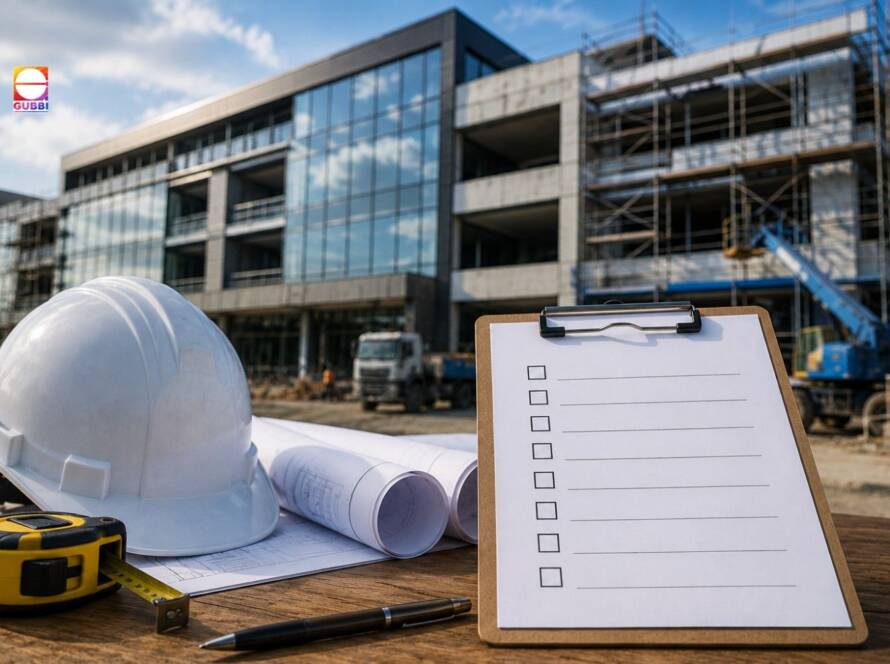


Building Rehabilitation Services play a crucial role in restoring structural strength, improving safety, and extending the lifespan of aging buildings. Over time, every structure experiences wear and tear due to environmental exposure, water leakage, structural stress, aging, and poor maintenance. Issues such as wall cracks, concrete deterioration, reinforcement corrosion, and waterproofing failures can gradually weaken a building’s performance and safety.
If ignored, these structural problems may result in expensive repairs, reduced load-bearing capacity, and potential risks to occupants.
Building Rehabilitation provide a technically advanced and cost-effective solution to repair damaged structures, strengthen weakened RCC components, and restore long-term durability. Instead of complete demolition and reconstruction, rehabilitation helps preserve structural integrity while significantly extending building life.
Whether you own a residential property, commercial building, industrial facility, or housing society, timely rehabilitation can help protect your investment and prevent major structural damage.
What are Building Rehabilitation Services?
Building Rehabilitation Services involve repairing, restoring, strengthening, and upgrading deteriorated structures to improve safety, durability, and structural performance.
These services are designed to address building distress caused by:
- Structural cracks
- Water seepage and leakage
- Concrete spalling
- Reinforcement corrosion
- Aging infrastructure
- Poor construction quality
- Environmental deterioration
Professional rehabilitation contractors first inspect the structure, identify the root causes of damage, and recommend suitable repair and strengthening techniques.
Typical Building Rehabilitation Services include:
- Structural assessment and condition survey
- RCC repair and strengthening
- Crack repair treatment
- Waterproofing solutions
- Concrete restoration and repair
- Corrosion treatment for steel reinforcement
- Carbon fiber wrapping and structural jacketing
- Shotcreting and micro concreting
- Structural retrofitting solutions
The primary goal is simple: To restore structural stability and extend the life of the building for years to come.
Why Buildings Deteriorate Over Time?
Understanding why buildings deteriorate helps property owners take preventive action before serious structural damage occurs.
1. Water Seepage and Leakage
Water infiltration weakens concrete and causes corrosion of reinforcement steel. Persistent moisture problems often lead to cracks, dampness, and structural weakening.
2. Reinforcement Corrosion
Corrosion of steel bars inside RCC members is one of the biggest causes of structural damage. As steel corrodes, it expands and causes concrete cracking and spalling.
3. Aging Structures
Older buildings naturally lose strength over time due to environmental stress, continuous loading, and material degradation.
4. Poor Maintenance
Ignoring early warning signs such as cracks, leakage, and damaged concrete can accelerate structural deterioration.
5. Environmental Exposure
Heavy rainfall, pollution, humidity, coastal conditions, chemical attack, and temperature changes can reduce structural durability.
6. Structural Overloading
Additional floors, machinery, or increased occupancy loads beyond design capacity may weaken structural members over time.
Without Professional Building Rehabilitation Services, these problems can worsen and lead to costly structural failures.
How Building Rehabilitation Services Help Extend Building Life?
1. Restore Structural Strength
One of the key benefits of Building Rehabilitation Services is restoring damaged structural elements such as beams, columns, slabs, walls, and foundations.
Professional rehabilitation methods repair weakened areas and restore the building’s load-bearing capacity, making it structurally safer and stronger.
2. Prevent Major Structural Damage
Minor structural defects often become major failures if ignored.
Timely rehabilitation helps prevent:
- Concrete spalling
- Severe cracking
- Corrosion damage
- Foundation weakening
- Water seepage progression
- Structural instability
Early intervention minimizes risks and significantly lowers future repair expenses.
3. Improve Building Durability
Modern Building Rehabilitation Services use advanced materials and engineering techniques to improve long-term performance.
Common rehabilitation methods include:
- Micro concreting
- Epoxy injection grouting
- Carbon fiber wrapping
- Structural jacketing
- Shotcreting services
- Polymer-modified repair mortars
These methods improve resistance against future deterioration and environmental exposure.
4. Increase Occupant Safety
Structural distress can create serious risks for residents, workers, and visitors.
Professional rehabilitation improves safety by:
- Stabilizing weakened structures
- Repairing damaged concrete
- Strengthening critical RCC components
- Preventing falling concrete hazards
A rehabilitated building offers a safer environment for long-term occupancy.
5. Save Cost Compared to Reconstruction
Complete demolition and reconstruction require substantial investment and longer timelines.
Building Rehabilitation offer a more economical alternative by:
- Preserving the existing structure
- Reducing downtime
- Lowering material costs
- Avoiding unnecessary reconstruction expenses
This makes rehabilitation an ideal solution for societies, industries, offices, and residential properties.
6. Improve Property Value
Buildings in good structural condition have higher resale and rental value.
A rehabilitated property often gains:
- Better structural reliability
- Lower maintenance costs
- Enhanced appearance
- Higher buyer confidence
This helps improve long-term property returns.
7. Extend Building Service Life
One of the biggest advantages of Building Rehabilitation Services is extending the functional lifespan of a structure.
With timely rehabilitation and proper maintenance, many buildings can gain 10-30+ additional years of service life, depending on damage severity and repair quality.
Signs You Need Building Rehabilitation Services
If your building shows any of the following warning signs, immediate inspection may be necessary:
- Structural cracks in beams, slabs, or columns
- Water leakage or seepage issues
- Concrete spalling or exposed reinforcement
- Rust stains on RCC surfaces
- Damp walls and waterproofing failures
- Settlement cracks
- Aging RCC structures
- Frequent maintenance problems
Ignoring these signs can increase structural risk and repair costs.
Why Hire Professional Building Rehabilitation Contractors?
Building rehabilitation requires proper structural investigation, engineering expertise, and specialized repair methods.
Choosing experienced Building Repair and Rehabilitation Contractors ensures:
- Accurate structural diagnosis
- Long-lasting repair solutions
- High-quality rehabilitation materials
- Compliance with engineering standards
- Better structural performance and durability
Poor repair practices often lead to recurring damage and wasted investment.
Conclusion
Building deterioration may be unavoidable, but major structural damage is preventable with timely action.
Building Rehabilitation Services help repair structural distress, restore strength, improve safety, and significantly extend building life.
If your building is showing signs of cracks, corrosion, leakage, or structural weakening, timely rehabilitation can save costs and protect your investment for years to come.
Consult experienced Building Rehabilitation Contractors today to restore your structure and ensure long-term durability.