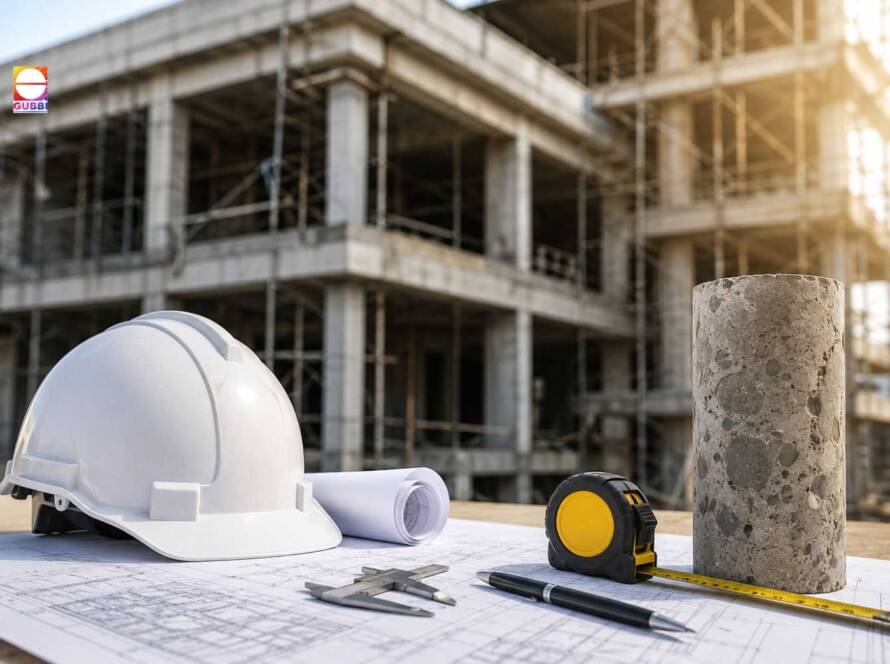


Building Repairs are essential to restore structural stability, improve safety, and extend the lifespan of aging buildings. Reinforced Cement Concrete (RCC) structures are designed for durability and long-term performance, but factors such as water leakage, reinforcement corrosion, poor maintenance, environmental exposure, excessive loading, and structural distress can gradually weaken critical components.
Cracks in beams, slab deterioration, damaged columns, exposed reinforcement, seepage issues, and concrete spalling are warning signs that should never be ignored. Timely intervention by professional building rehabilitation contractors helps prevent major structural failures, reduces long-term repair costs, and restores the strength and service life of damaged RCC buildings.
What Causes Damage in RCC Structures?
RCC buildings deteriorate gradually due to multiple internal and external factors. Understanding the root cause is essential before planning any building repair work.
1. Reinforcement Corrosion
Steel reinforcement corrosion is one of the leading causes of RCC deterioration. Water seepage, chloride penetration, carbonation, and moisture exposure lead to rusting of steel bars, causing concrete cracking and spalling.
Common signs include:
-
- Rust stains on walls and ceilings
-
- Concrete breaking or falling off
-
- Exposed reinforcement bars
-
- Structural cracks in beams and slabs
2. Water Leakage and Waterproofing Failure
Persistent water leakage weakens RCC components over time. Roof leakage, terrace seepage, basement dampness, and plumbing leakage often accelerate structural deterioration.
Water infiltration may result in:
-
- Concrete weakening
-
- Corrosion of reinforcement
-
- Mold growth and dampness
-
- Surface deterioration
3. Structural Cracks
Cracks in RCC structures may occur due to:
-
- Settlement of foundations
-
- Thermal expansion and contraction
-
- Overloading conditions
-
- Design deficiencies
-
- Construction defects
Not all cracks are harmless. Structural cracks often indicate underlying engineering concerns that require professional structural assessment.
4. Aging Infrastructure
Older residential, commercial, industrial, and institutional buildings naturally experience deterioration due to prolonged environmental exposure and material degradation.
Aging RCC structures frequently require rehabilitation to restore strength and maintain safety compliance.
5. Poor Construction Quality
Substandard materials, improper concrete mix ratios, inadequate curing, insufficient cover to reinforcement, and poor workmanship can result in premature structural failures.
Warning Signs That Your RCC Building Needs Repairs
Many property owners delay repair work until visible damage becomes severe. Early intervention can reduce rehabilitation costs and prevent structural risks.
You may need professional building repairs if you notice:
-
- Structural cracks in beams, columns, or slabs
-
- Concrete spalling or falling plaster
-
- Rusted reinforcement bars
-
- Terrace leakage or damp walls
-
- Settlement cracks in walls
-
- Uneven floors or slab sagging
-
- Exposed steel reinforcement
-
- Water seepage in basements or ceilings
If your building shows any of these signs, immediate structural inspection is recommended.
Effective Building Repairs for Damaged RCC Structures
Professional building rehabilitation services use advanced repair methodologies depending on the severity and nature of damage.
1. Structural Crack Repair
Crack repair methods depend on crack type, width, and structural significance.
Common repair techniques include:
-
- Epoxy injection grouting
-
- Polymer-based crack filling
-
- Structural stitching methods
-
- Surface sealing treatments
These methods help restore structural continuity and prevent moisture ingress.
2. RCC Jacketing for Structural Strengthening
RCC jacketing strengthens weakened structural members such as beams, columns, and slabs.
Benefits include:
-
- Increased load-bearing capacity
-
- Enhanced seismic resistance
-
- Improved structural stability
-
- Extended building life
This method is widely used for deteriorated buildings requiring rehabilitation.
3. Polymer Modified Mortar (PMM) Repairs
PMM systems are commonly used for repairing damaged RCC surfaces.
Applications include:
-
- Honeycombed concrete repairs
-
- Surface restoration
-
- Concrete patch repairs
-
- Spalled concrete treatment
These materials improve adhesion, durability, and structural integrity.
4. Injection Grouting Services
Injection grouting helps repair cracks, voids, and water leakage problems in RCC structures.
It is highly effective for:
-
- Waterproofing treatment
-
- Structural crack filling
-
- Basement leakage repair
-
- Foundation stabilization
5. Shotcreting for Structural Rehabilitation
Shotcreting is a highly effective repair method for restoring deteriorated concrete surfaces.
It is commonly used in:
-
- Retaining walls
-
- Damaged RCC beams and slabs
-
- Structural strengthening projects
-
- Tunnel and infrastructure rehabilitation
Shotcreting improves durability and restores concrete performance.
6. Waterproofing During Rehabilitation
Waterproofing is an essential component of RCC building repair work.
Solutions may include:
-
- Terrace waterproofing
-
- External wall waterproofing
-
- Basement waterproofing
-
- Podium waterproofing systems
Proper waterproofing prevents future structural deterioration.
Why Building Rehabilitation Is Better Than Reconstruction?
Many property owners assume demolition and reconstruction are the only options for damaged buildings. However, rehabilitation often offers a smarter and more cost-effective solution.
Advantages of Building Rehabilitation
Cost Savings
Repairing existing structures is generally more economical than complete reconstruction.
Reduced Downtime
Buildings can often remain partially operational during rehabilitation work.
Extended Building Life
Professional repairs can significantly increase service life.
Structural Safety Improvement
Strengthening techniques restore stability and reliability.
Preservation of Existing Infrastructure
Rehabilitation avoids unnecessary demolition and reconstruction waste.
Why Professional Building Repair Contractors Matter?
Building repairs should never be approached as simple cosmetic fixes. Proper structural rehabilitation requires technical assessment, engineering expertise, material knowledge, and execution quality.
Experienced building rehabilitation contractors help by:
-
- Conducting structural audits
-
- Identifying root causes of deterioration
-
- Designing repair methodologies
-
- Executing specialized RCC repair systems
-
- Ensuring long-term structural performance
Choosing experienced professionals minimizes recurring failures and costly future repairs.
How We Help Restore Damaged RCC Structures?
As experienced building repair contractors, we provide specialized solutions for damaged RCC buildings across residential, commercial, industrial, and institutional projects.
Our services include:
-
- Structural repair and strengthening
-
- RCC rehabilitation solutions
-
- Injection grouting services
-
- Waterproofing services
-
- Crack repair treatment
-
- Concrete restoration work
-
- Structural retrofitting
-
- Shotcreting applications
Our engineering-driven approach focuses on restoring structural safety, improving durability, and extending building lifespan through technically sound rehabilitation methods.
Conclusion
Professional building repairs for damaged RCC structures not only restore structural integrity but also improve safety, durability, and long-term performance.
If your building is showing signs of deterioration, investing in timely building rehabilitation services can help prevent costly failures and extend the life of your structure for years to come.
Need Expert Building Repair and Rehabilitation Services?
Get professional assistance for structural repair, RCC strengthening, waterproofing, and rehabilitation solutions tailored to your building condition. Our experienced building rehabilitation contractors can assess structural damage and recommend the right repair strategy for long-term performance.